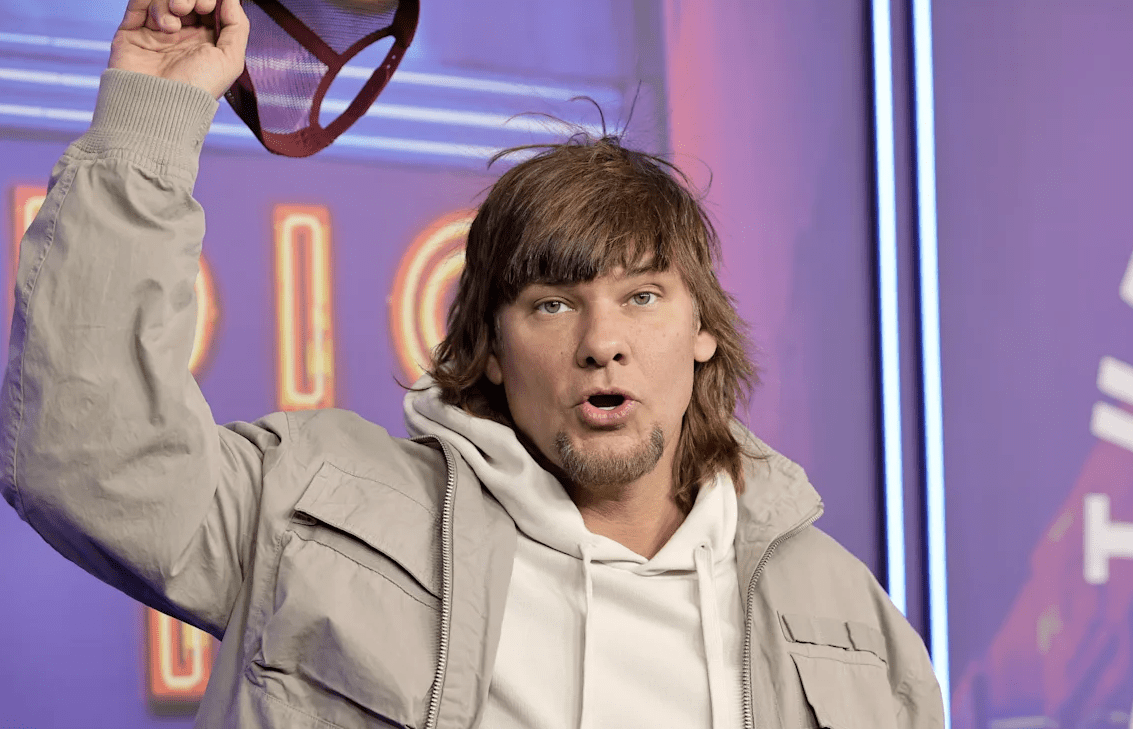
Theo Von Isn’t Going Viral Because He’s Perfect. He’s Going Viral Because He’s Real.
Perfectionism is an addictive poison. One I’ve drank most of my life.
We edit ourselves before we speak. We filter before we post. We revise until every rough edge is sanded down and what’s left is… nothing. Clean, safe, forgettable nothing.
Then there’s Theo Von.
A guy from Covington, Louisiana who was born to a 70-year-old father he was too ashamed to call “Dad.” Who got legally emancipated at 14. Who found cocaine because he never felt okay and spent years doing things he didn’t enjoy and didn’t want to be doing just to feel something. Anything.
He’s been sober for over 14 years now. And he hasn’t been quiet about any of it.
He once described his entire childhood as one long performance of reading everyone else’s emotions because nobody ever asked about his. He’s talked about the late nights on the tour bus where he stays up past the hour he knows is safe and does things to damage himself.
He’s prayed on air and then admitted, in the same breath, that part of him knows he’s probably lying to God while he’s praying.
He told Dax Shepard on Armchair Expert: “I would sit in meetings and people would get to share how they felt and I never got to do that. No one ever asked me how I felt. And when people could share and nobody could say anything, there’s no cross talk allowed, it just got to sit there. And man, I didn’t know how much in my whole life I needed that. To have a feeling be spoken into the world and have it not completely rejected.”
A grown man. Millions of listeners. Telling the world that the first safe place he ever found was a room full of strangers where feelings were allowed to exist without commentary. Some people wouldn’t say that to their therapist. He said it into a microphone. On the internet. Forever.
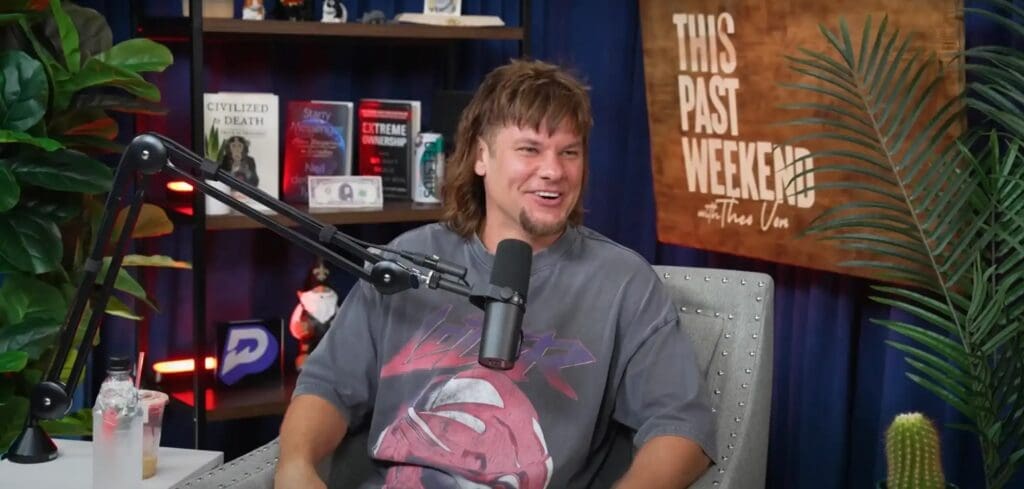
THAT is why his Return of the Rat tour is selling out arenas across the country. That’s why This Past Weekend has over 540 episodes and two million downloads a week.
That’s why my best friend was in Nashville last night and couldn’t get tickets and he was genuinely bummed about it.
People aren’t lining up for perfection. They’re lining up for a real person.
Your consumers can tell when it’s missing.
You know who found that out the hard way? The CEO of McDonald’s.
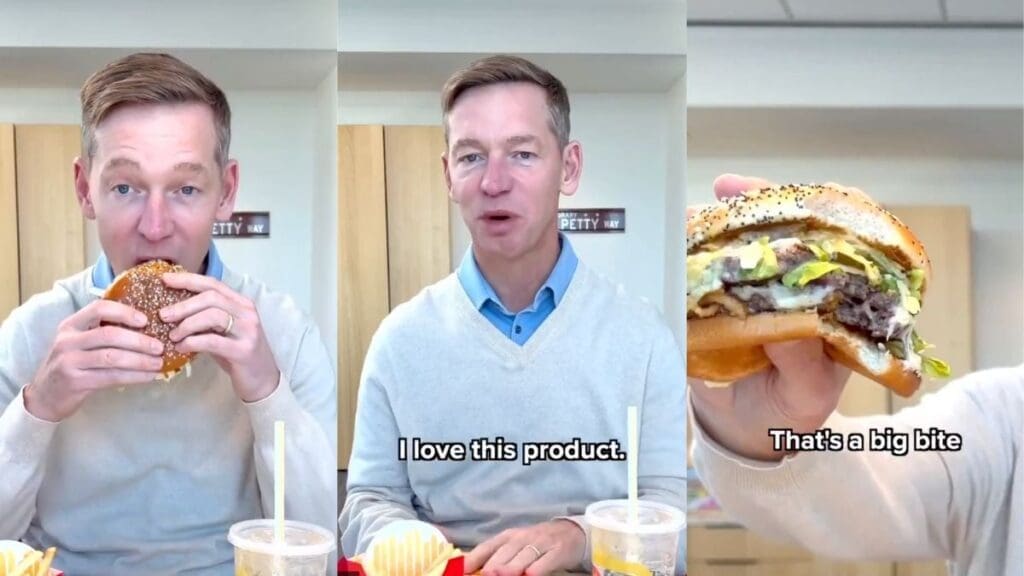
Chris Kempczinski posted a video in February promoting the new Big Arch burger. He held it up like a prop. He called it a “product” more than he called it a burger. He took a bite so small it barely left a mark (probably making sure not to get any sauce on his expensive sweater). The whole thing looked like a man completing an assignment from corporate communications, not a human being eating food he actually enjoyed.
The internet destroyed him. Millions of views. Not the good kind. One commenter wrote that it felt “almost dystopian” and that watching the CEO act afraid of his own burger made them second-guess eating at McDonald’s. Mini Cooper’s Instagram account jumped in: “Gonna start test driving our cars 1 meter at a time.” Burger King simply commented: “We couldn’t finish it either.”

Then came the real damage.
Burger King’s president Tom Curtis posted a video of himself eating a Whopper. A real bite. Juice on his hands. No script. Wendy’s did the same thing. KFC piled on. Suddenly every competitor in fast food was posting videos of their people actually EATING their food like human beings who enjoy food, and every single one of them was a direct contrast to the McDonald’s clip.
The internet didn’t punish Kempczinski for being bad at video. They punished him for being fake. For performing enjoyment instead of having it. For being so polished, so careful, so corporate that he couldn’t even eat a burger on camera without it looking like a hostage negotiation.
Meanwhile, Theo Von sits on a podcast and tells you about the worst night of his life and you feel closer to him than you’ve ever felt to a brand you’ve given thousands of dollars to.
That’s the gap. That’s what’s missing from your marketing.
What can we take from this?
Stop editing out the rough parts. The rough parts are where the trust lives. The founder’s real story, including the failures. The we-almost-didn’t-make-it stories. The product development process, including the versions that didn’t work. The team photo where someone’s hair is weird and the lighting is bad but everyone looks genuinely happy. The social post that sounds like a human typed it at 10pm because they actually cared, not because it was scheduled in Sprout Social three weeks ago.
Your brand voice document says “authentic.” Your brand guidelines say “human.” But your output sounds like it was generated by a committee, approved by legal, and published by someone with a content quota to fill.
Theo Von has every reason to be polished.
He’s selling out arenas. He has Netflix specials. He could hire a team of writers and producers to sand every edge off every episode. Instead, he sits down, talks about his recovery, talks about his shame, talks about the parts of himself that still aren’t fixed, and two million people download it every single week.
The McDonald’s CEO had one job. Eat a burger. Look like you (actually) enjoy it. Get in there, be real, get messy, drop the perfect script. And the buttoned up performance was so obvious that it became a meme, a competitor campaign, and a case study in what happens when corporate polish replaces actual human behavior.
Your audience doesn’t need you to be perfect. They need you to be real. The rough edges are the parts people remember. The vulnerability is the part that builds trust. Which in the age of AI is the lowest in history.
The honesty is the part that makes someone stop scrolling and think “yeah… me too.”
Be more Theo. You just might go viral for all the right reasons.